Categories
Healthy Snacking

Smart Snacking for Better Health

Why Snacking Gets a Bad Reputation

Snacking is often seen as unhealthy, but the problem is usually the type of snack rather than snacking itself. Processed snacks high in sugar, salt, and artificial ingredients offer little nutritional value and leave you hungry again quickly. Choosing whole, nutrient-dense snacks between meals can actually support steady energy and better focus. The key is being intentional about what you reach for.

Healthy Snack Ideas to Try

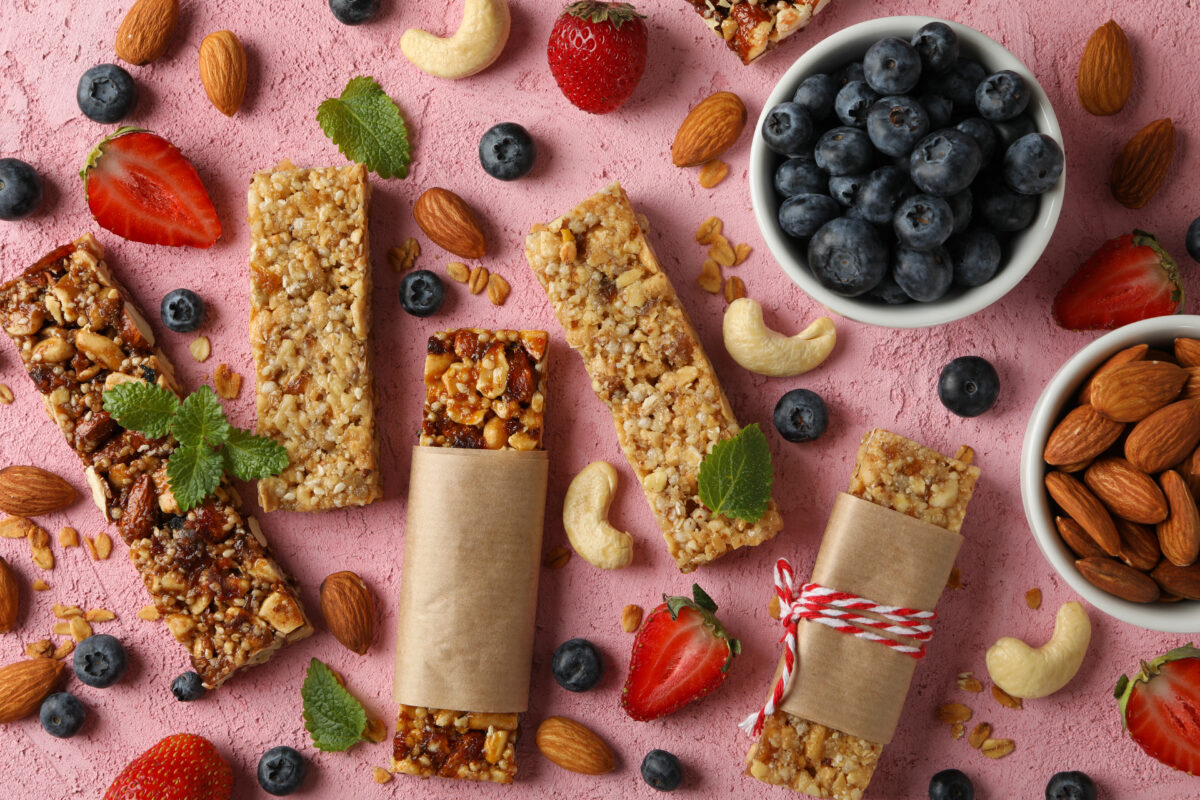
Some of the best snacks are simple and require little preparation. A handful of mixed nuts, sliced vegetables with hummus, or a piece of fruit with nut butter are all satisfying and nutritious options. These choices provide a balance of protein, healthy fats, and natural sugars that keep energy levels stable. Keeping healthy snacks visible and accessible makes it much easier to make good choices.

Avoiding Processed and Packaged Foods

Processed snack foods are often loaded with refined sugars, unhealthy oils, and excess sodium. These ingredients can contribute to energy crashes, poor concentration, and long-term health issues. Reading ingredient labels is a helpful habit when navigating packaged foods. As a general rule, the shorter and more recognisable the ingredient list, the better the snack.

Portion Control and Mindful Eating

Even healthy snacks can become counterproductive when eaten in large quantities without awareness. Practising mindful eating — slowing down, tasting your food, and stopping when satisfied — helps prevent overeating. Portioning snacks into a small bowl rather than eating from the packet is a simple trick that makes a real difference. Building this habit supports a healthier relationship with food overall.
Categories
Vitamins & Minerals

The Importance of Vitamins and Minerals

What Vitamins and Minerals Actually Do

Vitamins and minerals are micronutrients that support virtually every process in the human body. From immune function to bone strength, these nutrients work quietly behind the scenes to keep you healthy. Unlike macronutrients, your body needs them in smaller amounts — but a deficiency can have serious consequences. Eating a varied, whole-food diet is the best way to get them naturally.

Vitamin C and Immune Health

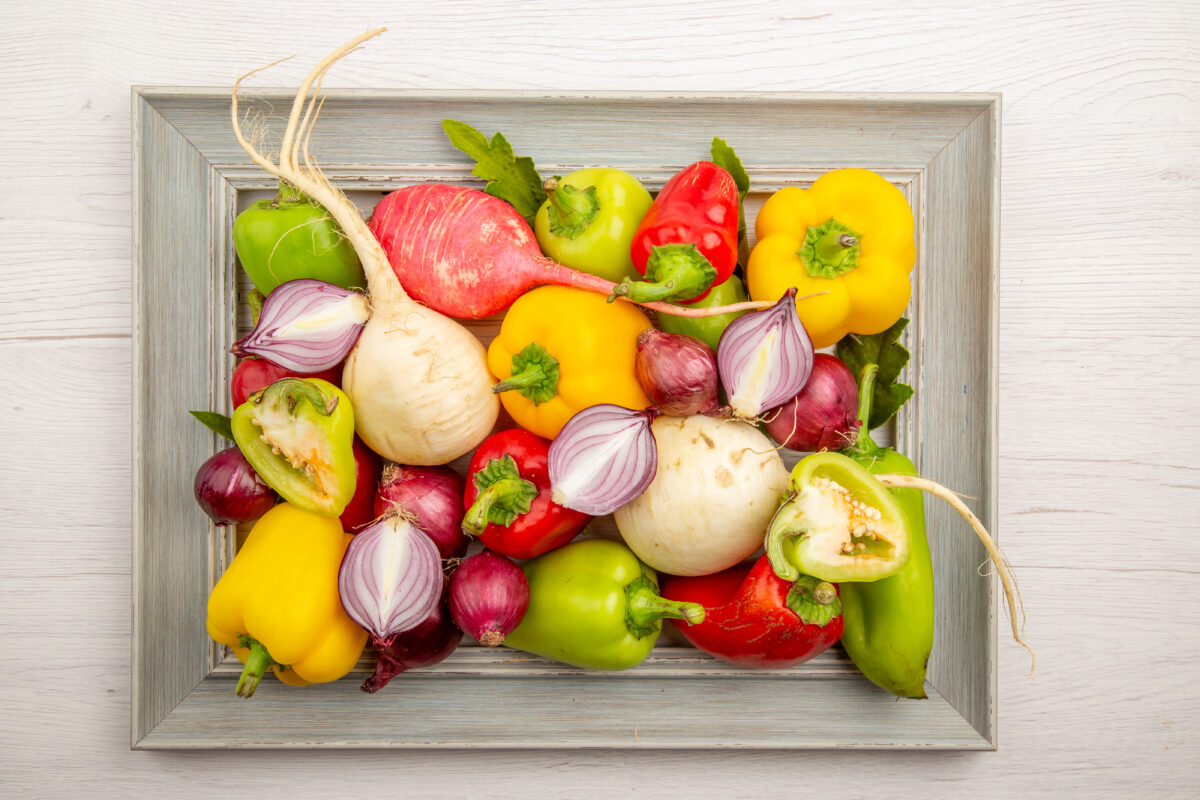
Vitamin C is a powerful antioxidant found in citrus fruits, bell peppers, and strawberries. It plays a key role in supporting the immune system and helping the body fight off infections. It also aids in the absorption of iron from plant-based foods. Getting enough vitamin C daily is one of the easiest ways to support your overall health.

Vitamin D and Bone Strength

Vitamin D is essential for calcium absorption and maintaining strong, healthy bones. It is found in fatty fish like salmon, fortified dairy products, and egg yolks. Many people are deficient in vitamin D, particularly those who spend little time outdoors. Ensuring adequate intake helps protect against bone loss and supports a healthy immune system.

Iron, Calcium and Energy Levels

Iron is critical for transporting oxygen through the blood and preventing fatigue. Good sources include red meat, spinach, lentils, and fortified cereals. Calcium works alongside vitamin D to build and maintain strong bones and teeth. Dairy products, almonds, and leafy greens are all reliable sources of calcium in a balanced diet.

Categories
Protein & Muscle Health Uncategorized

The Benefits of Protein

Why Your Body Needs Protein

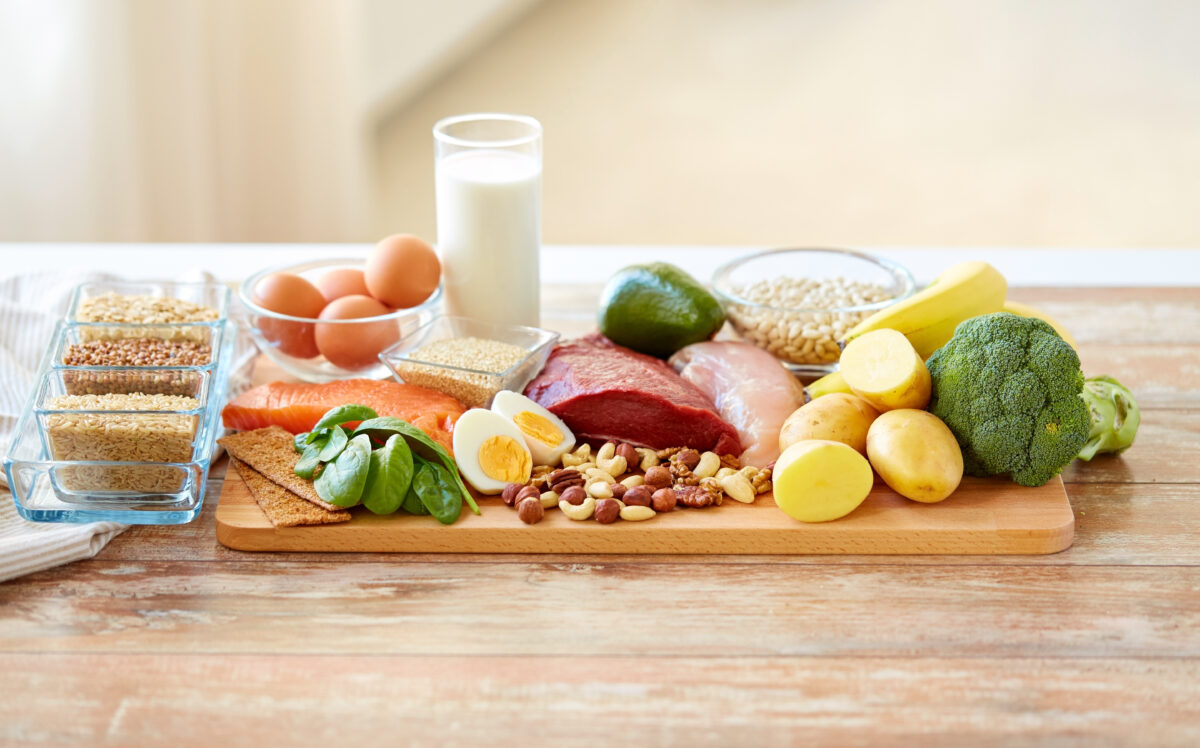
Protein is one of the most essential nutrients your body depends on every single day. It is responsible for building and repairing tissues, including muscles, skin, and organs. Without adequate protein, the body cannot function at its best. Making sure you get enough protein through your diet is a cornerstone of good health.

Lean Meats and Poultry

Chicken, turkey, and lean cuts of beef are excellent sources of high-quality protein. They provide all the essential amino acids your body cannot produce on its own. These foods are also rich in iron and B vitamins, which support energy production. Choosing grilled or baked preparations keeps them healthy and low in saturated fat.

Plant-Based Protein Sources

Legumes like lentils, chickpeas, and black beans are outstanding plant-based protein options. They are also high in fibre, which supports digestion and helps you feel full longer. Tofu, tempeh, and edamame are other excellent choices, particularly for those following a vegetarian or vegan diet. Combining different plant proteins throughout the day ensures you get a complete amino acid profile.

Eggs — A Nutritional Powerhouse

Eggs are one of the most complete and affordable protein sources available. One egg contains around 6 grams of protein along with essential vitamins like B12, D, and choline. They are incredibly versatile and can be prepared in countless healthy ways. Including eggs in your diet is a simple and effective way to meet your daily protein needs.

Categories
Healthy Eating Nutrition

Healthy Foods

The Power of Whole Grains

Whole grains like oats, brown rice, and quinoa are packed with fibre, vitamins, and minerals. Unlike refined grains, they retain their bran and germ layers, making them far more nutritious. Eating whole grains regularly supports healthy digestion and helps maintain steady energy levels throughout the day. Adding them to your meals is one of the simplest ways to upgrade your diet.

Why Vegetables Belong on Every Plate

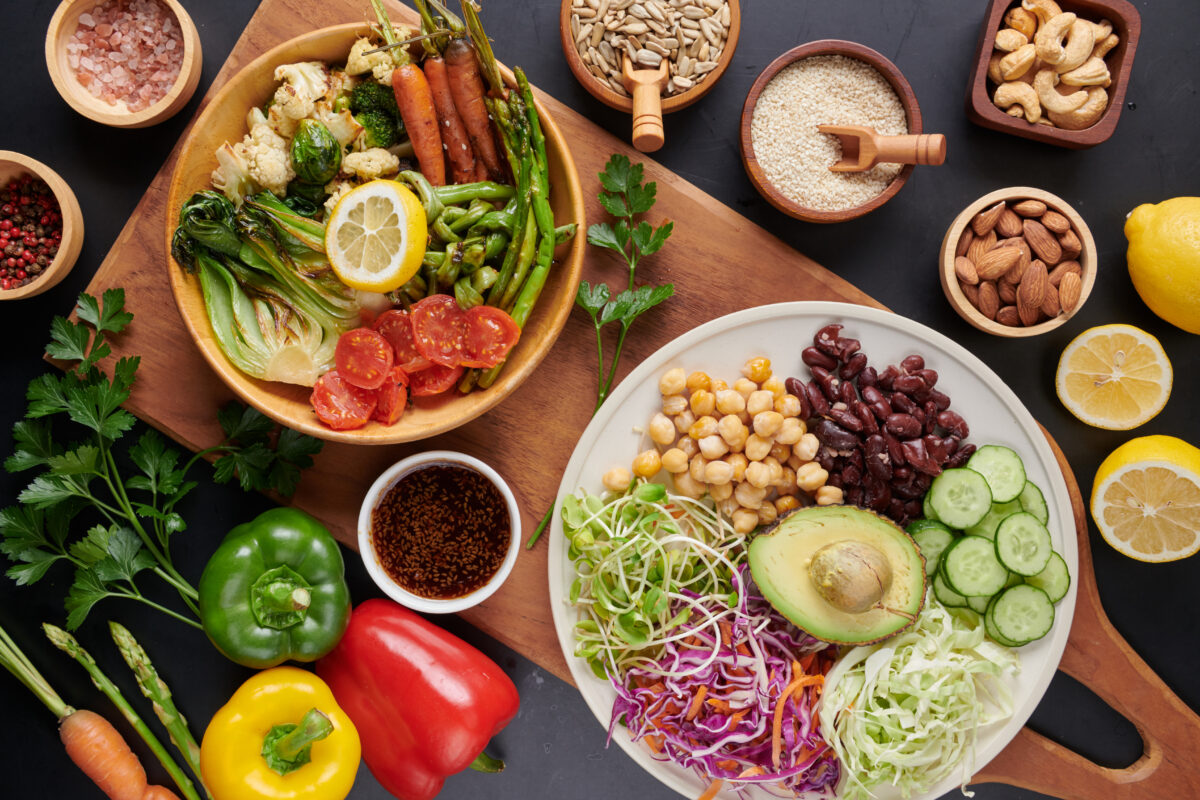
Vegetables are among the most nutrient-dense foods available, offering vitamins, antioxidants, and fibre with very few calories. Leafy greens like spinach and kale are especially rich in iron, calcium, and vitamin K. Eating a wide variety of colourful vegetables ensures your body gets a broad spectrum of nutrients. Aim to fill at least half your plate with vegetables at every meal.

The Role of Healthy Fats

Not all fats are harmful — healthy fats found in avocados, nuts, seeds, and olive oil are essential for brain function and hormone balance. These unsaturated fats help the body absorb fat-soluble vitamins like A, D, E, and K. Including moderate amounts of healthy fats in your diet can also help you feel fuller for longer. Swapping saturated fats for these options is a smart choice for long-term health.

Staying Hydrated with Smart Choices

Water is the foundation of good health, supporting every system in the body from digestion to circulation. Many people confuse thirst with hunger, leading to unnecessary snacking throughout the day. Herbal teas, water-rich fruits like cucumber and watermelon, and plain water are all excellent hydration sources. Making hydration a consistent habit is just as important as eating well.