

Categories
Vitamins & Minerals

The Importance of Vitamins and Minerals

What Vitamins and Minerals Actually Do

Vitamins and minerals are micronutrients that support virtually every process in the human body. From immune function to bone strength, these nutrients work quietly behind the scenes to keep you healthy. Unlike macronutrients, your body needs them in smaller amounts — but a deficiency can have serious consequences. Eating a varied, whole-food diet is the best way to get them naturally.

Vitamin C and Immune Health

Vitamin C is a powerful antioxidant found in citrus fruits, bell peppers, and strawberries. It plays a key role in supporting the immune system and helping the body fight off infections. It also aids in the absorption of iron from plant-based foods. Getting enough vitamin C daily is one of the easiest ways to support your overall health.

Vitamin D and Bone Strength

Vitamin D is essential for calcium absorption and maintaining strong, healthy bones. It is found in fatty fish like salmon, fortified dairy products, and egg yolks. Many people are deficient in vitamin D, particularly those who spend little time outdoors. Ensuring adequate intake helps protect against bone loss and supports a healthy immune system.

Iron, Calcium and Energy Levels

Iron is critical for transporting oxygen through the blood and preventing fatigue. Good sources include red meat, spinach, lentils, and fortified cereals. Calcium works alongside vitamin D to build and maintain strong bones and teeth. Dairy products, almonds, and leafy greens are all reliable sources of calcium in a balanced diet.
Categories
Protein & Muscle Health Uncategorized

The Benefits of Protein

Why Your Body Needs Protein

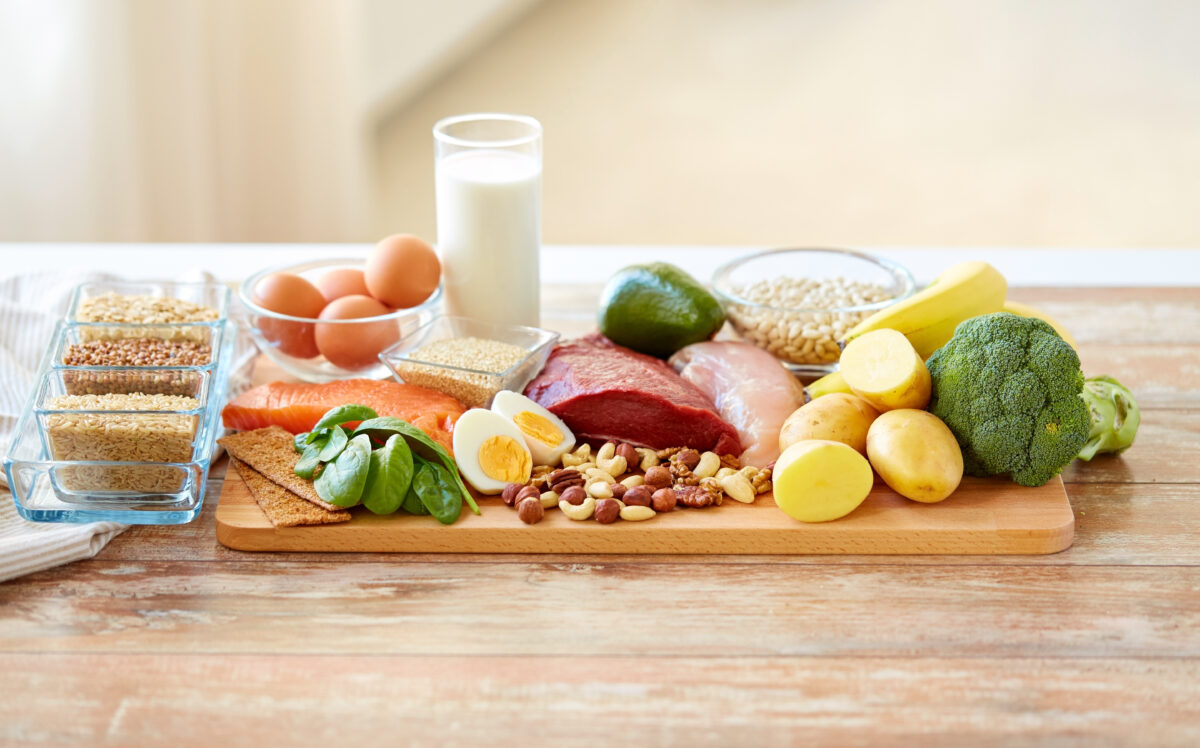
Protein is one of the most essential nutrients your body depends on every single day. It is responsible for building and repairing tissues, including muscles, skin, and organs. Without adequate protein, the body cannot function at its best. Making sure you get enough protein through your diet is a cornerstone of good health.

Lean Meats and Poultry

Chicken, turkey, and lean cuts of beef are excellent sources of high-quality protein. They provide all the essential amino acids your body cannot produce on its own. These foods are also rich in iron and B vitamins, which support energy production. Choosing grilled or baked preparations keeps them healthy and low in saturated fat.

Plant-Based Protein Sources

Legumes like lentils, chickpeas, and black beans are outstanding plant-based protein options. They are also high in fibre, which supports digestion and helps you feel full longer. Tofu, tempeh, and edamame are other excellent choices, particularly for those following a vegetarian or vegan diet. Combining different plant proteins throughout the day ensures you get a complete amino acid profile.

Eggs — A Nutritional Powerhouse

Eggs are one of the most complete and affordable protein sources available. One egg contains around 6 grams of protein along with essential vitamins like B12, D, and choline. They are incredibly versatile and can be prepared in countless healthy ways. Including eggs in your diet is a simple and effective way to meet your daily protein needs.