
The Power of Whole Grains
Whole grains like oats, brown rice, and quinoa are packed with fibre, vitamins, and minerals. Unlike refined grains, they retain their bran and germ layers, making them far more nutritious. Eating whole grains regularly supports healthy digestion and helps maintain steady energy levels throughout the day. Adding them to your meals is one of the simplest ways to upgrade your diet.
Why Vegetables Belong on Every Plate
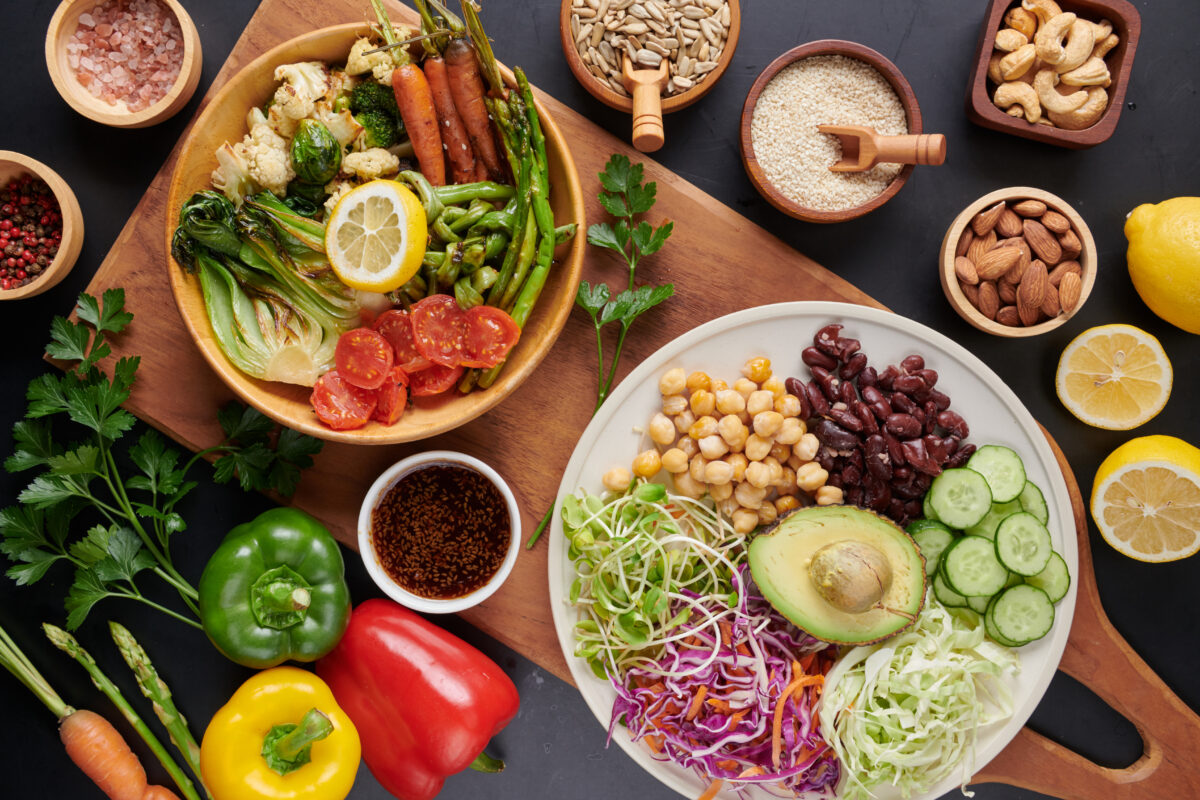
Vegetables are among the most nutrient-dense foods available, offering vitamins, antioxidants, and fibre with very few calories. Leafy greens like spinach and kale are especially rich in iron, calcium, and vitamin K. Eating a wide variety of colourful vegetables ensures your body gets a broad spectrum of nutrients. Aim to fill at least half your plate with vegetables at every meal.
The Role of Healthy Fats
Not all fats are harmful — healthy fats found in avocados, nuts, seeds, and olive oil are essential for brain function and hormone balance. These unsaturated fats help the body absorb fat-soluble vitamins like A, D, E, and K. Including moderate amounts of healthy fats in your diet can also help you feel fuller for longer. Swapping saturated fats for these options is a smart choice for long-term health.
Staying Hydrated with Smart Choices
Water is the foundation of good health, supporting every system in the body from digestion to circulation. Many people confuse thirst with hunger, leading to unnecessary snacking throughout the day. Herbal teas, water-rich fruits like cucumber and watermelon, and plain water are all excellent hydration sources. Making hydration a consistent habit is just as important as eating well.